

عن البرنامج
CEUs: 1.0 NASM ، 1.0 ACE ، 5 نقاط CPD المعتمدة من CIMSPA
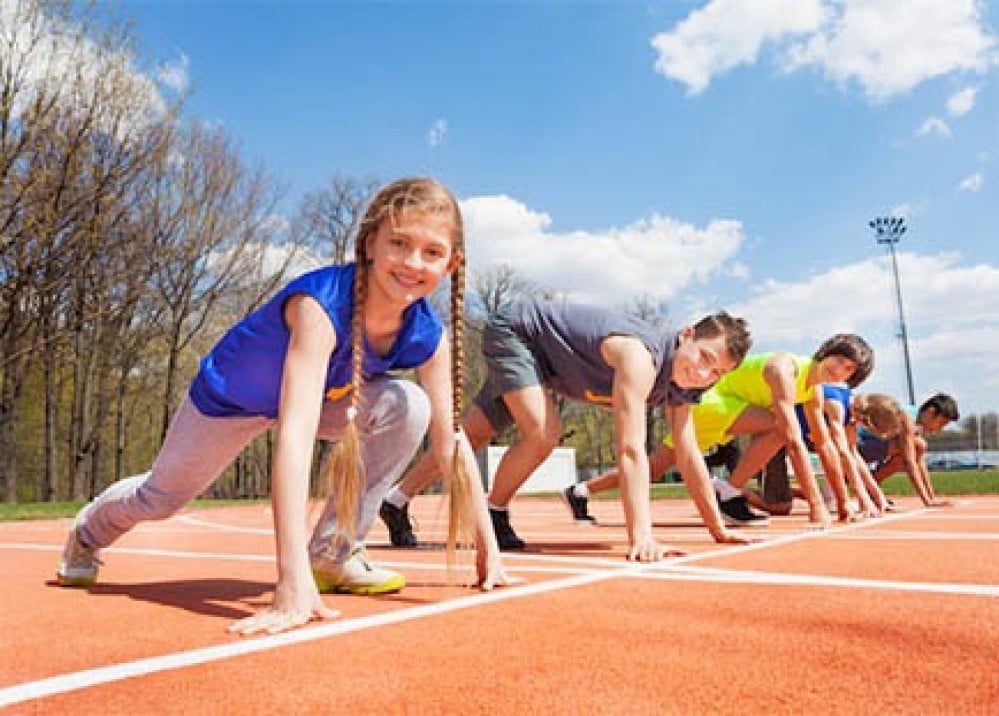
تثقيف شباب اليوم حول اللياقة البدنية والتغذية مع اختصاصي تمارين الشباب NASM (YES). تختلف إرشادات التمرين للأطفال والبالغين. ستتعلم المصطلحات المختلفة التي تحدد فئة الشباب ، والتعديلات التي يجب إجراؤها أثناء برمجة التمرين ، والمزيد. سواء كنتتدريب فريق رياضي للشباب، أو العمل في مدرسة ، أو تقوم بتدريب الأطفال ، وإعدادهم للنجاح مع YES.
أظهر للأطفال لماذا ليس من السابق لأوانه أبدًا تبني أسلوب حياة صحي! أخصائيو تمارين الشباب NASM:
- استفد من الطلب المتزايد على خبراء اللياقة البدنية للشباب الذين تتراوح أعمارهم بين 6 و 19 عامًا
- أظهر للأطفال كيفية الاستمتاع مع تحسين مهاراتهم الرياضية وزيادة مستوى نشاطهم البدني وفقدان الوزن
- عزز سمعتهم وحياتهم المهنية وقاعدة عملائهم من خلال تعلم تدريب الشباب في مجموعات أو بشكل فردي باستخدام نموذج Optimum Performance Training® (OPT ™)
- تقديم حلول تدريبية لبرامج ما بعد المدرسة والفرق الرياضية للشباب وأطفال العملاء البالغين
- الحد من اتجاه السمنة لدى الشباب من المصدر من خلال الإرشادات الرياضية والتغذية
- استثمر في حياة عملائهم وعقودهم المستقبلية. . . فضلا عن الخاصة بهم!
نظرة عامة على الدورة التدريبية
✔القسم 1: علم تمرين الشباب
الفصل الأول: الأساس المنطقي لتدريب الشباب على اللياقة البدنية
الفصل الثاني: الاعتبارات التشريحية والفسيولوجية للشباب
الفصل الثالث: اعتبارات نفسية للشباب
✔القسم 2: إرشادات اللياقة والتدريب للشباب
الفصل 4: تقييم اللياقة للشباب
الفصل الخامس: إرشادات مرونة الشباب
الفصل السادس: التدريب القلبي التنفسي للشباب
الفصل السابع: إرشادات التدريب الأساسي والمتوازن للشباب
الفصل الثامن: التدريبات البليومترية والسرعة والرشاقة والسرعة للشباب
الفصل التاسع: تدريب المقاومة للشباب
✔القسم 3: تنمية العملاء الشباب
الفصل العاشر: تصميم برنامج متكامل لعملاء الشباب
الفصل 11: تغذية الشباب
الفصل الثاني عشر: التطوير المهني
البرنامج يشمل:
✔دليل الدورة القابل للتنزيل
✔دليل البرمجة القابل للتنزيل
✔اختبارات عبر الإنترنت
✔مكتبة التمارين
✔الامتحان عبر الإنترنت
قائمة المحتويات
القسم 1: علم تمرين الشباب
الفصل الأول: الأساس المنطقي لتدريب الشباب على اللياقة البدنية
سيوفر هذا الفصل فهمًا أفضل للمصطلحات المختلفة التي تحدد فئة الشباب ، والفرق بين زيادة الوزن والسمنة ، وسيكون قادرًا على وصف سبب زيادة الوزن لدى الكثير من الشباب.
الفصل الثاني: الاعتبارات التشريحية والفسيولوجية للشباب
افهم الاختلافات الفسيولوجية الرئيسية بين الأطفال والمراهقين والبالغين.
الفصل الثالث: اعتبارات نفسية للشباب
تساعد التصورات الذاتية والإيمان بالنفس الشباب على النجاح في برنامج اللياقة البدنية. تزويد العملاء الشباب بالأدوات والاستراتيجيات للمساعدة في تكييف الأنشطة والعادات بشكل أفضل لتحقيق أهداف اللياقة البدنية.
القسم 2: إرشادات اللياقة والتدريب للشباب
الفصل 4: تقييم اللياقة للشباب
كن قادرًا على التعرف على التوقعات لمهنيي الصحة واللياقة البدنية. فهم الاعتبارات الخاصة لإدارة الاختبار عند الشباب.
الفصل الخامس: إرشادات مرونة الشباب
فهم وتقديم المبادئ التوجيهية العامة للتمارين وخيارات المرونة المختلفة للشباب.
الفصل السادس: التدريب القلبي التنفسي للشباب
فهم وتطوير إرشادات وبرامج تدريب القلب والجهاز التنفسي العامة للشباب.
الفصل السابع: إرشادات التدريب الأساسي والمتوازن للشباب
تحديد برامج التمارين الأساسية والتوازن المناسبة الآمنة والفعالة والممتعة للشباب استنادًا إلى نموذج OPT ™.
الفصل الثامن: التدريبات البليومترية والسرعة والرشاقة والسرعة للشباب
فهم أهمية plyometric وتدريب السرعة وخفة الحركة والسرعة (SAQ) للشباب. حدد التمارين المناسبة لإدراجها في برامج الشباب بناءً على نموذج OPT ™.
الفصل التاسع: تدريب المقاومة للشباب
تصميم وتنفيذ برنامج تدريبي آمن وفعال وتدريجي للمقاومة للشباب ، وكذلك القضاء على الأساطير حول سلامة الشباب الذين يشاركون في تدريب المقاومة.
القسم 3: تنمية العملاء الشباب
الفصل العاشر: تصميم برنامج متكامل لعملاء الشباب
كن قادرًا على تحديد تدريب المرحلة القلبية التنفسية ، والمبادئ الكامنة وراء كل مرحلة ، وكيف تتناسب كل مرحلة مع نموذج OPT ™.
الفصل 11: تغذية الشباب
التعرف على الاتجاهات الحالية لعادات أكل الشباب مع فهم آثار السمنة على سكانهم. فهم توصيات التغذية والمبادئ التوجيهية الأساسية لتناول السوائل للشباب.
الفصل الثاني عشر: التطوير المهني
فهم المسؤوليات القانونية والأخلاقية المتعلقة بمهني الصحة واللياقة الذي يعمل مع الشباب.
هذه الدورة متاحة باللغة الإنجليزية فقط.