


عن البرنامج
CEUs: 1.5 NASM ، 15 AFAA ، 2.9 ACE ، 10 نقاط CPD المعتمدة من CIMSPA ، 2 ساعة تعلم EREPS
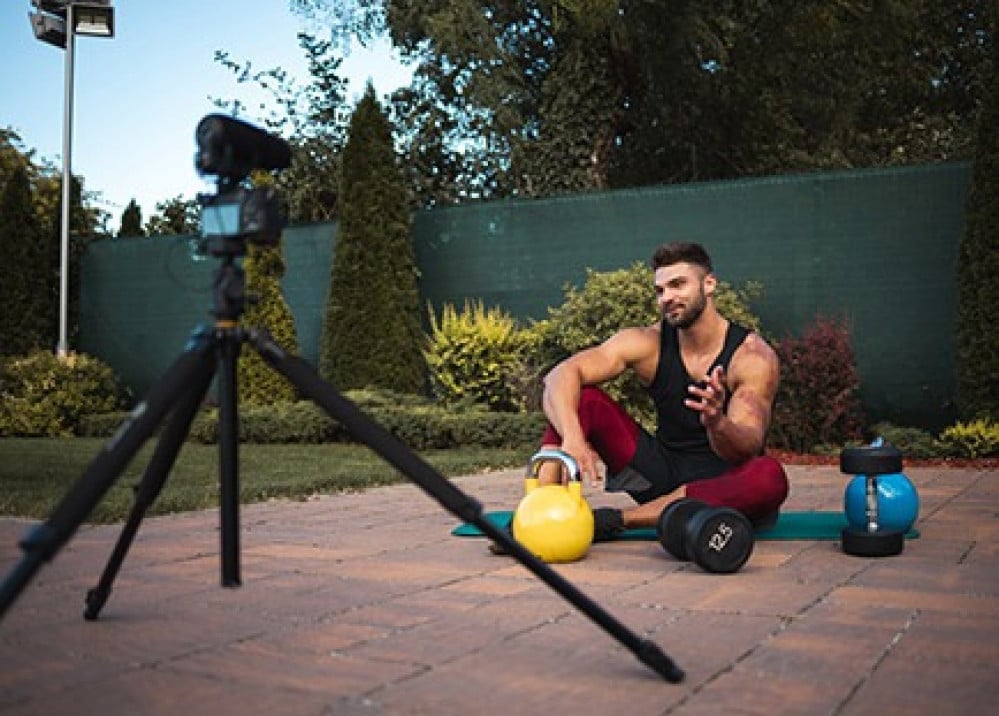
تخصص NASM Virtual Coaching هو تجربة غامرة عبر الإنترنت ، حيث يزودك بالمهارات والأدوات والاستراتيجيات اللازمة لبدء أو تشغيل أو تحويل أعمال اللياقة البدنية أو العافية الحالية إلى أعمال تدريب ناجحة عبر الإنترنت.
سوف تتعلم كيفية تعزيز علاقة تفاعلية وفعالة عبر الإنترنت مع عملائك.
سيمكن تخصص التدريب الافتراضي التابع لـ NASM المستفيدين من:
- أكمل المكونات الأساسية لخطة العمل المطلوبة لبدء عمل تدريبي عبر الإنترنت.
- استخدم بيئة الإنترنت لإجراء وتعديل تقييمات اللياقة البدنية للعملاء.
- تصميم البرمجة للعملاء مع مجموعة من الأهداف والعقبات المتعلقة بفقدان الوزن.
- قم بتدريب وتوجيه العملاء في بيئة تدريب عبر الإنترنت.
- تعديل البرمجة بناءً على احتياجات العميل المحددة في بيئة افتراضية.
- قم بتدريب مجموعة من احتياجات العملاء المختلفة في بيئة رقمية باستخدام استراتيجيات تغيير السلوك المثبتة مثل تحديد الأهداف والمقابلات التحفيزية.
- استخدم بيئة الإنترنت لزيادة متوسط قيمة طلب العميل.
- قارن بين استراتيجيات المبيعات والتسويق الفعالة المستخدمة في إدارة أعمال التدريب الناجحة عبر الإنترنت والمحافظة عليها.
يشمل البرنامج:
✔9 فصول في العمق
راجع منهج الدورة وما ستتعلمه في كل فصلهنا.
✔أدوات وموارد عملية
✔34 إنفوجرافيك و 9 نشرات قابلة للطباعة
✔9 محاضرات وعرض توضيحي
✔9 اختبارات الفصل
✔الامتحان النهائي عبر الإنترنت
يوجد 100 سؤال اختبار مع مهلة 90 دقيقة. يجب أن تمر بدرجة 70 أو أفضل.
✔بوابة الدورة الرقمية عالية الجودة
هذه الدورة التدريبية عبر الإنترنت بنسبة 100٪ ويمكن الوصول إلى بوابة التوصيل الرقمي المتطورة سهلة الاستخدام على جميع الأجهزة.
جدول المحتويات
القسم 1: بناء مشروع تدريب افتراضي
الفصل 1: مقدمة في التدريب الافتراضي
يوفر التدريب الافتراضي القدرة على تدريب المزيد من العملاء وتجنب القيود الجغرافية وزيادة الإيرادات ولكنه يأتي مع بعض التحديات أيضًا. يوفر هذا المساق الأعمال الضرورية ، والتدريب البدني ، والمعرفة السلوكية والتكنولوجية اللازمة لبناء أعمال تدريب افتراضية مزدهرة.
الفصل 2: بناء الأعمال التجارية
يتطلب العمل المستدام التخطيط الاستراتيجي والاعتبارات التي تتجاوز المعرفة بمبادئ علوم التمرين. سيوفر هذا الفصل المعلومات المتعلقة بالتنبؤ المالي ، وإعداد الميزانية ، ومسك الدفاتر ، والمبيعات والتسويق ، وكيفية التمييز بين أعمال التدريب الافتراضية الخاصة بك في سوق تنافسية.
الفصل 3: اعتبارات التكنولوجيا
من تصوير مقاطع فيديو عالية الجودة إلى اختيار برنامج مؤتمرات الفيديو الصحيح ، سيراجع هذا الفصل التقنيات الضرورية والإضافية التي ستساعد محترفي اللياقة البدنية على تطوير وتشغيل وتوسيع نطاق أعمال تدريبية افتراضية ناجحة.
القسم 2: التقييمات الافتراضية واستراتيجيات التدريب
الفصل الرابع: استراتيجيات الاتصال والتوجيه
التواصل ضروري لتأسيس علاقة ثقة بين المدرب والعميل والحفاظ عليها. سيراجع هذا الفصل أفضل الممارسات للاتصال الافتراضي من الزيارة الأولية إلى شرح البرامج والحفاظ على الامتثال.
الفصل الخامس: إدارة التقييمات الافتراضية
بناءً على هدف عميلك أو الرياضة أو الإصابات السابقة ، من المهم وضع خط أساس وتقييمات مستمرة لتحقيق النتائج بأكثر الطرق أمانًا وفعالية. يستعرض هذا الفصل كيفية تطوير وتنفيذ تقييمات شاملة في قدرة بعيدة باستخدام التكنولوجيا والموارد الأخرى.
الفصل السادس: تنفيذ جلسات التدريب
سيتم توفير التوصيات والإرشادات الخاصة بالمسافات المناسبة والأرضيات والإضاءة وزوايا الكاميرا والمعدات وإشارات التدريب في هذا الفصل.
القسم 3: المبيعات والتسويق
الفصل السابع: دمج الأجهزة القابلة للارتداء في التدريب الافتراضي
سيركز هذا الفصل على التعليم والتحقق من صحة وأداء القياسات الحيوية الشائعة القابلة للارتداء ، وتطوير البرامج القائمة على البيانات ، وكيفية الاستفادة من البيانات القابلة للارتداء لمراقبة الامتثال وتعزيز العميل للحفاظ على الحافز والاحتفاظ.
الفصل الثامن: بيع التدريب الافتراضي
سيساعد فهم الخبرة الفردية والأهداف الشخصية محترفي اللياقة البدنية على تطوير عرض بيع فريد متخصص ونموذج تسعير للتمييز عن المنافسة وزيادة المبيعات.
الفصل التاسع: التدريب الافتراضي للتسويق
يجب أن يتمتع محترفو اللياقة البدنية بالذكاء وأن يمتلكوا معرفة عملية باستراتيجيات التسويق لجذب العملاء المحتملين. سيراجع هذا الفصل موارد التسويق ، والأربع نقاط للتسويق ، وكيفية الاستفادة من وسائل التواصل الاجتماعي والإحالات لجذب عملاء افتراضيين جدد.
إمتحان نهائي
بعد الانتهاء من الدورة ، ستخضع لامتحان نهائي عبر الإنترنت وأنت مرتاح في منزلك أو في أي مكان تفضل إجراء الاختبارات فيه. يتكون الاختبار من 100 سؤال ويوجد حد زمني 90 دقيقة. يجب أن تنجح في الحصول على درجة 70٪ أو أفضل.
هذه الدورة متاحة باللغة الإنجليزية فقط.